二、阅读理解(16分)
A
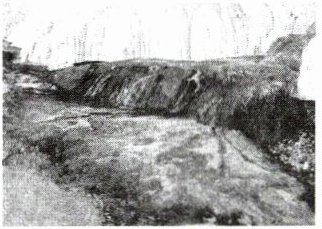
How Bloody a Scene!
Blood Falls in Antarctica is a waterfall which pours blood-red water into a river. The sight is a perfect background for a horror (恐怖) film: full of mysteries (神秘) and of course bloody. Its special colour was long believed to be caused by red algae (红藻). Until 2017, the true cause of the so-called blood was proved to be oxidized iron (被氧化的铁) in saltwater.
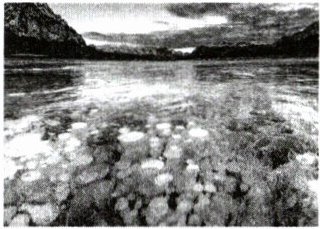
Amazing yet a dangerous sight, frozen bubbles can be seen in winter at Abraham Lake in Canada. When there is too much methane (甲烷) gas underwater and it is frozen, it will finally form this special sight—frozen bubbles. Such plenty of methane has a high risk. So even a lit match can cause an explosion (爆炸).
Mirror (镜子) of the Sky
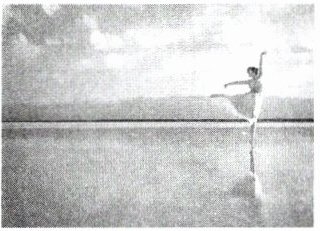
During the new moon and full moon times, tourists can see a clear reflection (反射) of the sky in the waters of Sasaran Beach in Malaysia. The smooth sand and lowest water level (水位) create such an unbelievable sight. Also known as the “Mirror of the Sky”, this water beach is an amazing place to take pictures.
(
D
) 1. In which part of the newspaper can we read the news?
A. PEOPLE. B. BIOLOGY. C. TRADITION. D. NATURE.
(
C
) 2. The best title for the second news would be “
Special Frozen Bubbles!
”.
A. How Beautiful a Lake! B. Too Dangerous to Visit!
C. Special Frozen Bubbles! D. Here Come Explosions!
(
D
) 3. What do the three pieces of news above have in common (共同地)?
A. They can be seen only by the sea. B. They introduce places fit for visiting.
C. They are all very dangerous. D. They show the causes of the special sights.
解析:
翻译:
二、阅读理解(16分)
A
多么血腥的场景!
南极洲的血瀑布是一个将血红色的水注入河流的瀑布。这景象是恐怖电影的完美背景:充满神秘,当然还有血腥。长期以来,人们认为它特殊的颜色是由红藻引起的。直到2017年,所谓的“血”的真正成因被证实是盐水中的氧化铁。
这是一个令人惊叹却又危险的景象,在加拿大的亚伯拉罕湖,冬天可以看到冰冻的气泡。当水下有过多的甲烷气体并且被冻结时,最终会形成这种特殊的景象——冰冻气泡。如此大量的甲烷有很高的风险。所以即使一根点燃的火柴也能引起爆炸。
天空之镜
在新月和满月期间,游客可以在马来西亚的沙沙兰海滩的海水中看到天空清晰的倒影。平滑的沙子和最低的水位造就了这样一个令人难以置信的景象。这个海滩也被称为“天空之镜”,是一个拍照的绝佳地方。
( )1. 我们可以在报纸的哪个版块读到这则新闻?
A. 人物。 B. 生物。 C. 传统。 D. 自然。
( )2. 第二则新闻的最佳标题是“ ”。
A. 多么美丽的湖啊! B. 太危险了,不能参观!
C. 特殊的冰冻气泡! D. 爆炸来了!
( )3. 上面的三则新闻有什么共同之处?
A. 它们只能在海边看到。 B. 它们介绍了适合游览的地方。
C. 它们都非常危险。 D. 它们说明了特殊景象的成因。