B
(2025·深圳三模改编)Shenzhen, already famous for its clean and smart public restrooms, is making headlines again. It has built special “pet toilets” in many communities and shopping malls, which are designed to solve the problem of pet waste.
The Coast City Shopping Mall in Nanshan District has built a dedicated(专用的)restroom for cats and dogs. This pet restroom is located next to regular restrooms and is provided with pet pee pads, deodorizers(除臭剂), and other items. On the walls, there are instructions on the proper ways to deal with pet waste. The overall environment is clean.
Many communities and shopping areas also provide pet waste cleaning tools for pet owners. In One Mall in Yantian District, there are sites for pet owners to pick up doggy waste bags. The Upperhills Shopping Mall in Futian District also provides trash bins with doggy waste bags and hand-wiping paper for cleaning up pet waste.
“Some dogs like chihuahuas and shih tzus can manage to go to the bathroom at home, but for larger dogs, outdoor toileting is a basic necessity,” said a woman who owns a small Scottish terrier named AD. “The pet toilets meet the physiological(生理的)needs of pets while also creating a cleaner, more comfortable public space for those who do not own pets.”
Shenzhen has long been a pioneer in creating a pet-friendly environment. As early as 2020, the city became the first in China to ban the consumption of cats and dogs. Today, over 50 malls have pet-friendly facilities(设施), with more on the way.
5. What problem do the “pet toilets” mainly aim to deal with?
A. To improve public restroom for humans.
B. To manage pet waste left in public areas.
C. To reduce the expenses of raising pets in the city.
D. To solve the problem of walking large dogs in the city.
6. 语言能力 推断能力 Why does the author mention the Scottish terrier owner’s opinion?
A. To argue against traditional restrooms.
B. To compare small and large dogs’ needs.
C. To highlight that pet toilets benefit all citizens.
D. To advise about improvements for Shenzhen’s pet facilities.
7. What can we infer from the passage about Shenzhen’s attitude towards pets?
A. It mainly cares about the health of large dogs.
B. It has become the first city globally to ban eating pets.
C. It aims to build more new shopping malls with pets.
D. It is actively working to create a pet-friend
ly city.
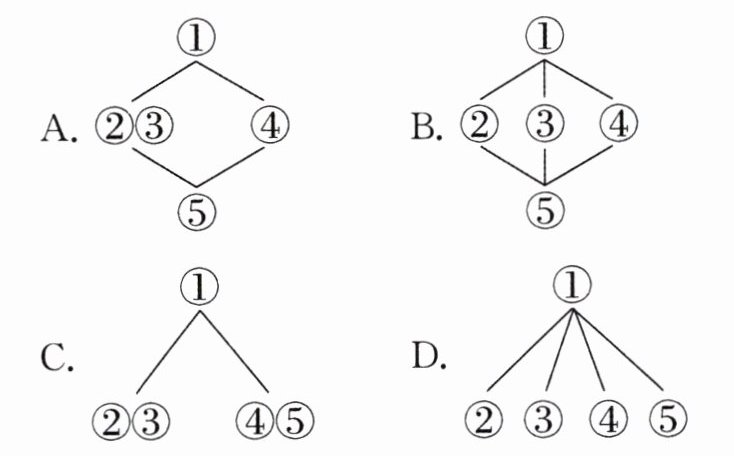
8. 新考法 篇章结构 How is the passage structured?